There’s a funny thing about movement. Your body remembers more than you think it does.
Maybe it’s been six months since your last session. Maybe it’s been three years and a pandemic thrown in for good measure. Either way, plenty of people around Newmarket find themselves staring at a Pilates studio timetable thinking, I should really get back into that.
And honestly? That thought usually arrives before confidence does.
Getting back into reformer classes can feel oddly intimidating, even if you used to attend every week. The machines look familiar but slightly mysterious again. The springs clink. Everyone else seems to know exactly where the straps go. Meanwhile, you’re trying to remember whether footwork comes before bridging or after.
That’s normal. More normal than most people realise.
At All About Movement, many clients returning to pilates classes in Newmarket aren’t starting from scratch. They’re restarting after life got busy, after an injury settled down, after pregnancy, after burnout, or sometimes after simply losing routine. It happens.
And the good news? Reformer Pilates tends to welcome people back gently, especially when classes are guided properly.
So, why do people stop in the first place?
Life, mostly.
Work ramps up. Kids’ sports take over Saturday mornings. Someone tweaks a shoulder carrying groceries awkwardly. Brisbane summers become sticky enough to make activewear feel like a poor life choice. Suddenly, your regular movement habit quietly disappears.
Then there’s the mental side of it. That matters too.
A lot of people stop exercising because they think they’ve “fallen behind”. Sounds backwards, doesn’t it? But once routine slips, returning can feel harder every week. You start imagining everyone else is fitter, stronger, bendier. Social media doesn’t help much there either.
Here’s the thing, though, Pilates isn’t really about keeping up.
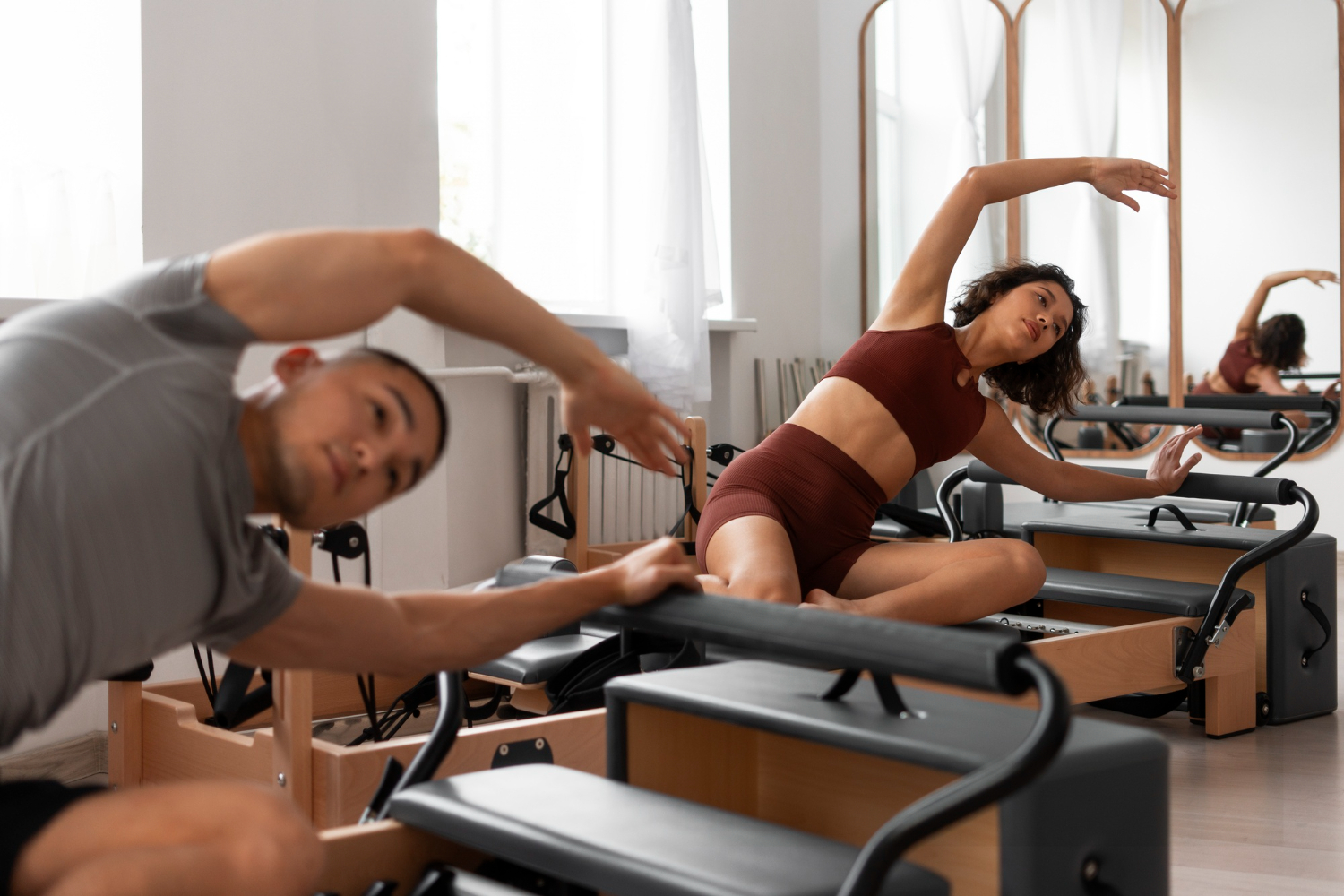
Good pilates reformer sessions meet you where you are on the day. Some days you’ll feel strong and switched on. Other days, your hamstrings feel like old rubber bands, and your balance disappears for no obvious reason. Both are part of the process.
Reformer Pilates feels different when you come back, and that’s okay
People often expect to “pick up where they left off”. Sometimes you can. Sometimes you absolutely can’t.
That can sting a little.
You might notice your core tyres faster. Your wrists may feel weaker during planks. Even coordination can wobble at first. Those elegant, flowing sequences you once breezed through? Suddenly, they require concentration again.
But that’s not failure. It’s an adaptation.
Think of it like returning to the ocean after time away. The water still supports you, but your body needs a moment to remember the rhythm of the waves.
The beauty of reformer work is that resistance can be adjusted so precisely. Springs can lighten load, support movement, or challenge stability depending on what your body needs. That flexibility is part of why so many people ease back into exercise through reformer classes rather than jumping into high-impact training.
And unlike some gym environments, Pilates tends to encourage body awareness instead of punishment. Big difference.
Wait, what if you’re dealing with pain or injury?
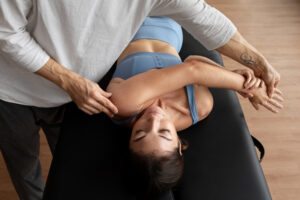
This is where clinical pilates newmarket services become especially valuable.
Not everyone returning to movement feels 100 per cent confident physically. Some people are recovering from surgery. Others have persistent back tension, neck stiffness from desk work, or knees that suddenly complain every time stairs appear.
Clinical Pilates bridges the gap between rehabilitation and fitness. It uses Pilates-based movement with closer supervision and more tailored programming. In many cases, exercises are modified around specific injuries or physical concerns.
That matters because generic exercise advice can feel frustratingly vague when your body has limits.
A properly guided session can help rebuild trust in movement. Slowly, carefully, and without the “no pain, no gain” nonsense that still floats around fitness culture.
At times, people assume clinical Pilates will feel overly medical or serious. But often it’s surprisingly approachable. Yes, there’s technical knowledge behind it. Yes, posture and movement patterns are assessed carefully. Yet sessions still feel calm, supportive, and human.
That balance makes a difference.
Your first class back probably won’t look how you imagine
Most returning clients expect one of two extremes:
- Either they’ll struggle terribly
- Or they’ll magically perform exactly as before
Reality usually lands somewhere in the middle.
You’ll remember more than expected. Then forget random things entirely.
You may laugh halfway through because your legs start shaking during a lunge series that once felt easy. Honestly, that shaking? Fairly common. Reformers have a sneaky way of waking up stabilising muscles that other workouts miss.
You’ll also probably notice small wins quickly:
- Standing taller after class
- Better mobility through the spine
- Less stiffness getting out of the car
- Improved awareness of posture at your desk
Sometimes the changes are subtle at first. But subtle doesn’t mean insignificant.
And here’s a slightly unexpected side effect people talk about all the time: mental clarity. There’s something oddly grounding about focusing on breath, control, and coordinated movement for 50 minutes without checking notifications every six seconds.
A rare luxury these days.
You don’t need to “get fit first”
This myth refuses to die.
People often delay returning to pilates classes because they think they need to improve fitness beforehand. But Pilates is often how people rebuild fitness safely.
That’s particularly true for beginners returning after long breaks.
A good instructor doesn’t expect perfection. They expect communication. If something hurts, feels unstable, or simply confusing, saying so helps. Pilates is incredibly adaptable when instructors know what’s happening in your body.
And flexibility? Let’s clear that up, too.
You do not need to be flexible to start Pilates. Saying you need flexibility before Pilates is like saying you need to be clean before taking a shower. The whole point is improvement.
Some people arrive barely able to touch their knees. Others are naturally mobile but lack strength and control. Both benefit, just differently.
Small consistency beats occasional intensity
This part surprises people.
Doing one brutal workout every few weeks rarely changes much long-term. Consistent movement does. Even two sessions weekly can create noticeable improvements in posture, mobility, and strength over time.
Especially when paired with everyday habits.
Walking more. Sitting less rigidly. Stretching while the kettle boils. Tiny things matter more than fitness marketing likes to admit.
Pilates works similarly. Progress often arrives quietly.
One day you realise carrying groceries feels easier. Another day your lower back no longer aches during long drives. Then suddenly you’re getting through advanced footwork sequences without your legs trembling like jelly.
The body adapts gradually, then all at once. Strange but true.
Choosing the right studio matters more than fancy branding
Not all Pilates environments feel the same.
Some studios lean heavily into fast-paced fitness trends , dark rooms, loud music, high-intensity formats. That works for some people. Others want something calmer and more supportive, especially when returning after injury or time away.
If you’re searching around Newmarket for pilates reformer sessions, pay attention to how a studio communicates. Does it sound welcoming? Are instructors qualified? Do they ask about injuries or movement history? Is there a focus on technique as well as exercise?
These details matter.
A good studio culture can remove much of the anxiety people feel when restarting movement. You shouldn’t feel pressured to perform. You should feel guided.
At All About Movement, the approach combines movement quality with a relaxed, approachable atmosphere. That combination often helps people stay consistent because classes feel sustainable rather than intimidating.
And sustainability is the real goal, isn’t it?
Not punishing workouts for two weeks before quitting again. Actual long-term movement habits that fit real life.
Seasons change, routines can too
Interestingly, cooler months around Brisbane often bring a wave of returning clients into studios. People naturally start seeking indoor movement once humid summer mornings fade. Winter routines tend to feel steadier somehow.
Then spring arrives and everyone suddenly remembers beaches and holidays exist.
But you know what? The “perfect time” to restart movement rarely appears neatly. Most people begin again while life is still messy, schedules still busy, motivation still imperfect.
That’s completely fine.
You don’t need a dramatic fitness reset. You just need a starting point.
The awkward first class back is usually the hardest part
After that, momentum tends to build.
Bodies respond to repetition. Confidence returns through familiarity. Movements feel smoother. Springs become less intimidating. You stop overthinking where your feet belong on the carriage.
And somewhere along the way, Pilates stops feeling like another task on your to-do list.
It starts feeling supportive again.
That’s often the turning point people don’t expect. They arrive wanting stronger abs or better flexibility, but stay because movement improves everyday life in quieter ways , sleeping better, sitting more comfortably, feeling more connected to their body again.
Not flashy. Just meaningful.
So if you’ve been considering returning to reformer classes, maybe this is your sign to stop waiting until you feel “ready”.
Most people never really do.
They simply begin, a little stiff, slightly nervous, and hoping their core still remembers what to do.
Usually, it does.