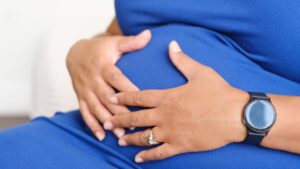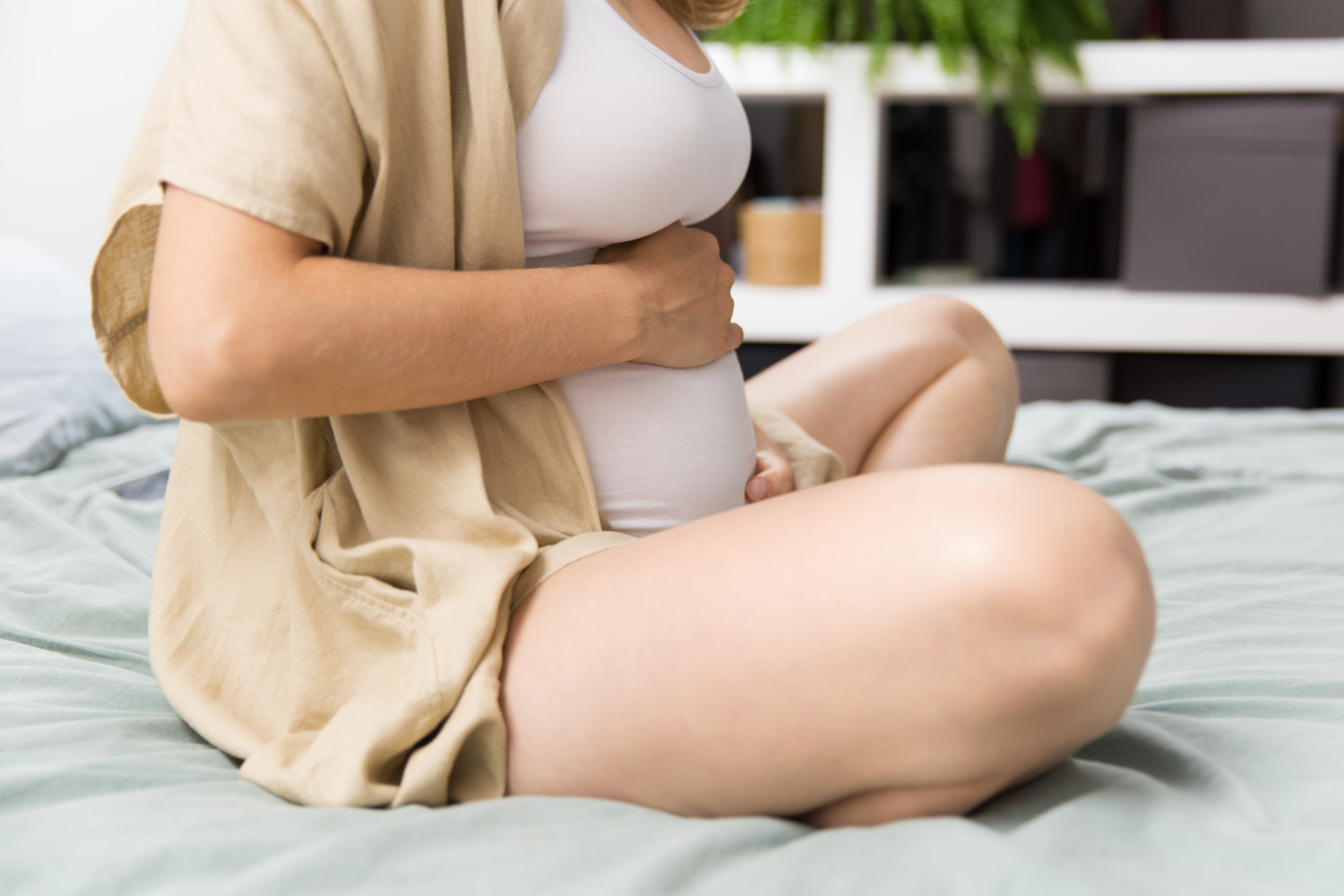
Pregnancy changes your body in ways you might never have expected. Some of those changes are beautiful like feeling your baby kick for the first time. Others, well, they can feel uncomfortable, awkward, or even a little alarmed. And often, the part of the body that takes the biggest hit is the one nobody really talks about enough: the pelvis.
Let’s be honest. Conversations about women’s pelvic health aren’t always the kind that pop up over coffee with friends. But maybe they should. Because your pelvic floor isn’t just “a group of muscles down there.” It’s central to everything from carrying your baby to recovering after birth.
The quiet powerhouse: your pelvic floor
Think of your pelvic floor like a supportive hammock at the base of your body. It holds up organs like your bladder, uterus, and bowel. During pregnancy, the hammock is stretched, tested, and sometimes weakened. Then add labour into the mix it’s no wonder so many women experience changes in this area.
When that support system is under strain, it can show up as pelvic floor dysfunction. This might mean bladder leakage when you cough, a heavy dragging feeling in your pelvis, or pain that makes intimacy difficult. It’s not something to just “put up with”, though; too many women do exactly that.
Pre and post-natal care: the missing piece for many mums
Here’s the thing. While antenatal classes often talk about breathing, positions for labour, and feeding your newborn, less time is spent on pre and post-natal care for your pelvic floor. Yet preparing your pelvic health before birth, and tending to it afterwards, can make a world of difference.
During pregnancy, gentle pelvic floor exercises (guided by a women’s health physio) can help you maintain strength and control. After birth, especially if you’ve had stitches, a caesarean, or a complicated delivery, you may need tailored rehabilitation. This is just as important as rest, nutrition, or going for your six-week GP check.
We need to normalise seeing pelvic health as an essential part of maternity care—not a luxury or afterthought.
Pregnancy-related pain and discomfort: what’s normal, what’s not?
If you’re pregnant, you might already know how common aches and pains are. But how do you know when something is “just pregnancy” and when it’s worth investigating?
Common complaints include:
- Pelvic girdle pain (PGP): Sharp or aching discomfort around the front or back of the pelvis, often worse when walking, climbing stairs, or rolling in bed.
- Lower back pain: Sometimes tied to changes in posture and loosening ligaments.
- Bladder or bowel changes: Urgency, leakage, or difficulty fully emptying can all point to pelvic floor changes.
While these are common, that doesn’t mean you need to accept them as unavoidable. Pregnancy-related pain and discomfort can often be reduced with the right strategies, like posture support, exercises, and sometimes simple lifestyle tweaks.
Why women’s pelvic health matters after pregnancy
The postpartum period is often painted as a whirlwind of nappies, feeds, and sleepless nights. But it’s also the time when your body is healing from one of the biggest physical events it’s ever faced. Your pelvic floor may still be stretched, your ligaments softer, and your muscles weaker than before.
Ignoring this can lead to longer-term issues, such as ongoing leakage, persistent pelvic pain, or even prolapse. On the flip side, paying attention to women’s pelvic health now can help you regain strength, reduce discomfort, and prevent problems down the track. It’s not just about surviving the “fourth trimester”; it’s about setting yourself up for the years ahead.
Pelvic floor dysfunction: you’re not alone
It’s easy to feel embarrassed if you’re struggling with leakage, heaviness, or pain. But here’s a reality check: pelvic floor dysfunction is common. Studies suggest that around 1 in 3 women will experience some degree of urinary incontinence after childbirth. That’s huge.
And yet, so many women suffer in silence sometimes for years. The stigma around these issues can make it hard to seek help, but the truth is there’s no shame in needing support. Physiotherapists who specialise in women’s pelvic health see these conditions every single day. To them, it’s just another muscle group that needs some rehab, not something to be whispered about.
Small steps that make a big difference
So, what can you actually do? Here are a few practical places to start:
- See a women’s health physio: Even just one assessment can give you clarity on what’s happening with your pelvic floor and how to improve it.
- Practice gentle strengthening: Not every “Kegel” you see on YouTube is right for your body. Tailored advice is key.
- Be mindful of pressure: Avoid straining when lifting, coughing, or even going to the toilet. Little changes add up.
- Rest and recovery: Your body has been through a lot. Sleep when you can, accept help, and remember that healing is part of motherhood too.
It might feel like “just one more thing” on an already long list. But looking after your pelvis is actually about making the rest of life easier.
Shifting the conversation
Here’s something worth thinking about. We often celebrate the visible aspects of motherhood, such as taking that first family photo or fitting back into pre-pregnancy clothes. However, we don’t always discuss the hidden strength it takes to heal.
By giving more attention to pelvic health, we’re also permitting mums to care for themselves, not just their babies. And that matters because a mother who feels strong, confident, and comfortable is better able to enjoy the messy, magical chaos of raising little humans.
Final thoughts
Pregnancy and birth put extraordinary demands on the body, particularly on the pelvis. Whether you’re pregnant now or years postpartum, your pelvic floor deserves care and attention. From pre and post-natal care through to addressing pelvic floor dysfunction, looking after this part of your body isn’t about vanity it’s about everyday comfort, confidence, and long-term wellbeing.
At All About Movement, we believe talking openly about women’s pelvic health helps break down stigma and empowers mums to get the support they deserve. Because let’s face it, every woman deserves to move, laugh, sneeze, and live without holding back.