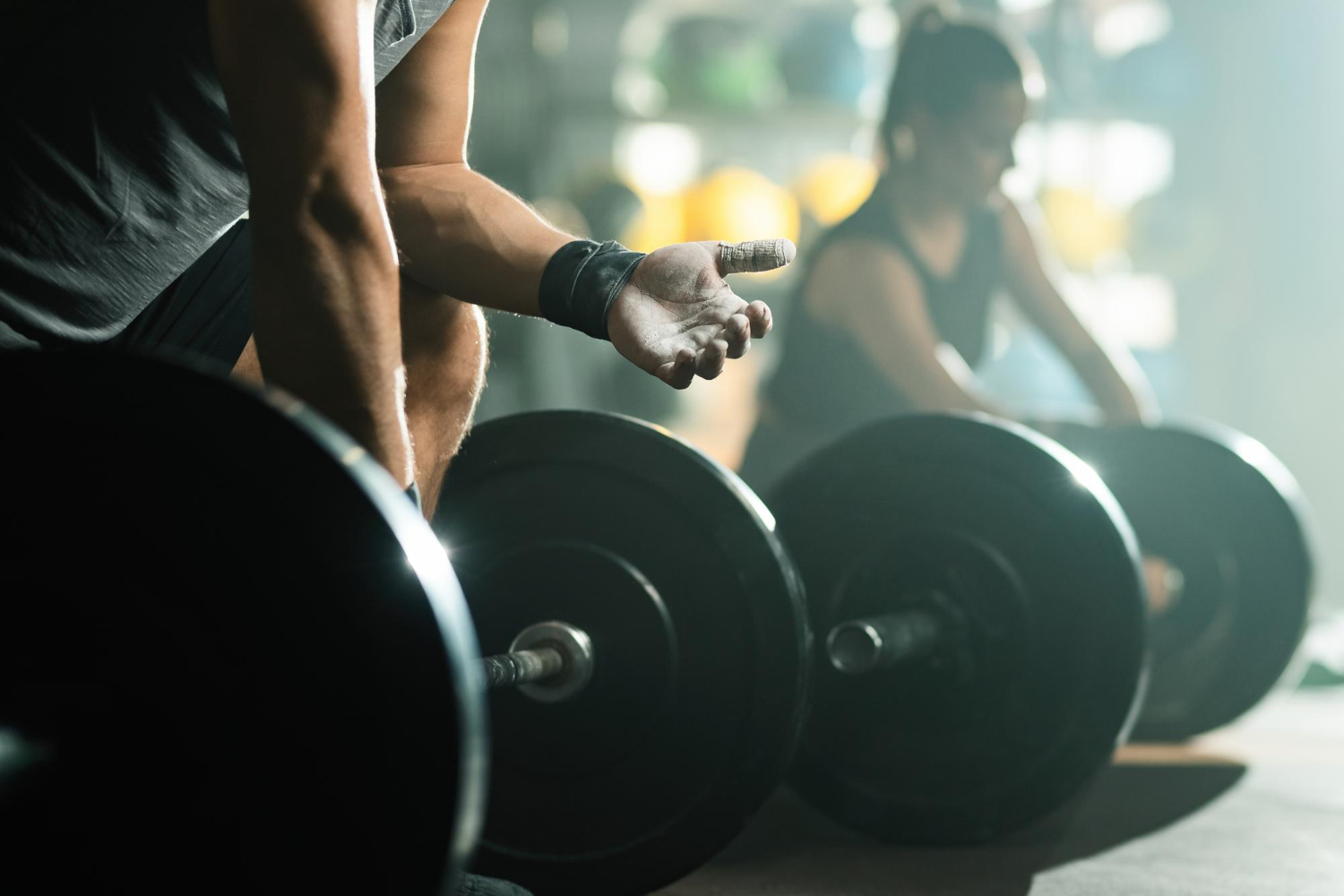
Getting back to strength training after pain or injury can feel frustrating. You want to move well, train hard, and return to your usual routine, but your body may not be ready for the same loads, intensity, or movement patterns just yet. For many people, the challenge is not motivation. It is knowing how to return safely without making things worse.
At All About Movement in Newmarket, we help people rebuild confidence in their bodies through Osteopathy and Clinical Pilates. Whether you have been avoiding the gym because of back pain, struggling with shoulder discomfort during pressing movements, or feeling unsure about how to get back under the bar, the goal is the same. We want to help you move better, reduce pain, and return to strength training with a plan that supports long-term progress.
For many locals, this journey starts after a flare-up at the gym, a lifting injury, or ongoing pain that has been pushed aside for too long. It is common for people to think they just need more rest or to wait until the pain disappears. In reality, the best path forward is often guided movement, tailored rehabilitation, and a gradual return to the exercises that matter most to you.
Why pushing through pain is rarely the answer
One of the biggest mistakes people make is trying to train through pain without understanding what the body is telling them. There is a difference between normal training discomfort and pain that signals poor control, overload, or reduced capacity. Ignoring that pain can lead to compensation, altered technique, and a longer recovery period.
You might notice pain when squatting, stiffness after deadlifts, discomfort during overhead pressing, or a feeling that something is not quite right when returning to gym sessions. These signs should not be brushed off. They are often early warnings that your body needs support, not more force.
That does not mean you need to stop moving completely. In fact, complete rest is not always helpful either. What matters is finding the right level of movement, the right exercises, and the right progression for where your body is now.
This is where osteopathy and Clinical Pilates can work together to help.
How osteopathy supports a return to lifting
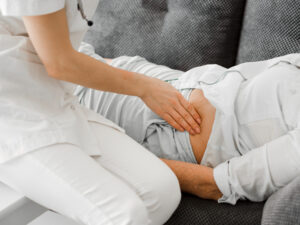
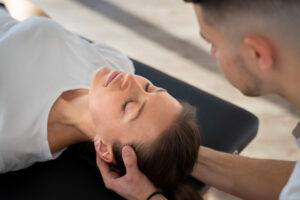
Osteopathy focuses on how the body moves as a whole. At All About Movement, osteopathic care is used to assess the areas contributing to your pain, identify movement restrictions, and understand why certain lifts or positions are aggravating symptoms.
If you are experiencing pain during strength training, the issue may not always be the painful area itself. For example, lower back pain while lifting may be linked to poor hip mobility, trunk control, or a loss of confidence after a previous injury. Shoulder pain during bench press may relate to how the upper back, ribcage, and shoulder blade are moving together.
Osteopathic treatment can help by:
- assessing your movement patterns and training history
- diagnosing and identifying areas of stiffness, overload, or poor control
- reducing pain and irritation in the short term
- improving joint mobility and muscle function
- helping you understand what movements are safe and what needs to be modified
Most importantly, osteopathy does not stop at treatment. It forms part of a bigger plan to get you back to meaningful activity, including the gym.
Where Clinical Pilates fits in
Clinical Pilates is a highly effective way to rebuild movement quality, control, and strength after pain or injury. It is not just about core work or gentle stretching. In a clinical setting, Pilates is used strategically to help retrain the body for the demands of everyday life and sport, including strength training. This is achieved by strengthening your deeper stabilizing muscles that improve joint mobility and movement control.
For people returning to lifting, Clinical Pilates can help bridge the gap between pain and performance. It allows you to work on the foundations that often get missed when people rush back into full training.
This may include:
- trunk strength and control
- hip and pelvic stability
- shoulder control and upper body mechanics
- breathing and bracing strategies
- balance, alignment, and coordination
- gradual loading tolerance
If you have ever felt nervous about re-injuring yourself, Clinical Pilates can be especially valuable. It gives you the chance to reconnect with movements in a supported environment before returning to heavier lifts at the gym.
Supporting gym goers in Newmarket
Many people in the Newmarket area are active, busy, and keen to stay strong. Some train regularly at a gym in Newmarket. Others work with a PT, follow their own program, or simply want to get back to lifting for general health and confidence. No matter your level, pain can interrupt momentum quickly.
You might have been making great progress before a flare up stopped you in your tracks. You might have pain with squats, deadlifts, lunges, rows, or shoulder work. You may have already tried taking time off, but each time you return, the same issue comes back.
At All About Movement, we understand that your goal is not simply to be pain-free while resting. Your goal is to return to the activities you care about. That includes getting back to the gym floor, moving well through your lifts, and feeling confident enough to train again.
For some clients, this means helping them return to sessions at a gym in Newmarket. For others, it means preparing them to rejoin their PT, restart a strength block, or simply feel comfortable training independently. We can guide you through movements, help you understand what your body can tolerate, and create a pathway back to lifting that makes sense for you.
Common issues that affect strength training
Pain during lifting can come from many different sources, and each person’s experience is unique. Some of the more common concerns we see include:
Lower back pain
This is one of the most common issues for people returning to the gym. Pain may show up during deadlifts, squats, bent-over rows, or after training. Often, it is influenced by loading patterns, movement control, fatigue, and previous injury history.
Shoulder pain
Pressing, pull-ups, overhead lifts, and even front rack positions can become difficult when the shoulder is irritated. A proper assessment can help determine whether the issue relates to mobility, technique, tissue load, or surrounding movement patterns.
Hip or knee discomfort
Pain with lunges, step-ups, squats, or running-based conditioning work can reduce confidence quickly. Clinical Pilates and Osteopathy Newmarket can help restore control and build tolerance gradually.
Neck tension and upper back stiffness
Poor posture is often blamed, but the real issue is usually more complex. Gym training, desk work, stress, and limited movement variability can all contribute to discomfort that affects lifting mechanics.
Return after time away
Sometimes the biggest challenge is not a major injury. It is the loss of capacity after illness, pregnancy, stress, or a long break from exercise. Returning too quickly can trigger pain, even if you were previously strong and capable.
A better way to return to strength training
Safe return to strength training is rarely about doing nothing until pain disappears. It is about making smart decisions at the right time.
A good rehabilitation plan usually involves:
1. Understanding the source of the problem
You need to know what is being irritated, what movements are aggravating it, and what factors may be contributing. This gives direction and removes guesswork.
2. Modifying training without stopping completely
Many people do not need to stop all activity. They simply need to change the type of load, range of motion, volume, or exercise selection for a period of time.
3. Rebuilding movement quality
Before returning to heavier training, it helps to restore control, coordination, and confidence in the body. This is where Clinical Pilates can play a key role.
4. Increasing load gradually
Your body needs time to adapt. Progression should be planned and based on tolerance, not frustration.
5. Returning to your usual environment
Eventually, rehabilitation should connect back to your real goal. That may be returning to the gym, seeing your PT again, or getting back to your normal lifting routine.
At All About Movement, the aim is always to make rehab practical and relevant to your life. We do not just give generic exercises. We help you build toward the movements and training demands that matter to you.
We can help you get back to your PT
A common concern for gym goers is how to return to sessions with their PT after pain or injury. You may already have a coach you trust, but right now you need a bit more support to get back to that point safely.
This is where a team approach can work really well. We can assess what is happening, guide you through the early stages of recovery, help retrain problem movements, and improve your confidence before you return to your trainer. That way, you are not going back into full sessions unsure of what your body can handle.
Instead, you return with a better understanding of your limits, improved control, and a clearer plan for progressing the load.
Local and convenient in Newmarket
Convenience matters when you are trying to stay consistent with your recovery. All About Movement is well placed for people living or training in Newmarket and nearby suburbs. Whether you are fitting appointments around work, stopping by after training, or combining rehab with your normal routine, local support makes the process easier.
For those around Coles Newmarket or heading to a gym in Newmarket, having a trusted clinic nearby can be the difference between putting recovery off and actually taking the next step.
Confidence matters just as much as strength
After pain, many people lose trust in their bodies. Even once symptoms settle, there can still be hesitation around certain exercises. You may second-guess your squat depth, brace too hard, avoid lifting from the floor, or feel anxious about returning to upper-body work.
This is normal. Recovery is not only physical. It is also about rebuilding confidence.
That is why guided rehabilitation is so valuable. With the right support, you can relearn movements, understand your body’s signals, and return to training without fear, driving every decision.
Get back to moving well with All About Movement
If pain is holding you back from strength training, you do not have to figure it out on your own. At All About Movement Newmarket, our team provides osteo for gym injuries and clinical pilates Newmarket services to help you move with more confidence, build strength progressively, and return to lifting without relying on guesswork.
Whether you are trying to get back to a gym in Newmarket, return to your PT, or simply feel strong again in your own body, the right plan can make all the difference.
Do not push through pain and hope it settles. Get the right support, rebuild properly, and return to training with a body that feels ready for it.