You’re mid-laugh at a friend’s joke, or maybe a sudden sneeze catches you off guard, and then it happens. A little leak of urine. For many, it’s a quick shrug and a mental note to “just be careful next time.” But here’s the thing: leaking when you cough, laugh, or sneeze isn’t something to ignore. It might seem minor, even embarrassing, but it’s your body sending a very clear message that your pelvic floor and bladder control need attention.
Whether it’s stress incontinence, early signs of prolapse, or simply weakened muscles over time, understanding why it happens and taking steps sooner rather than later can make a huge difference to your confidence, comfort, and quality of life. In this article, we’ll unpack why those little leaks matter, what causes them, and how a pelvic floor physio combined with Clinical Pilates can help you regain control and live more freely.
Why do everyday moments trigger leaks?
So why do these little bursts of pressure make your bladder misbehave? Imagine a sudden gust of wind hitting a tent. That’s what happens inside your abdomen when you cough or sneeze.
Your pelvic floor, the hammock of muscles supporting your bladder, bowel, and (for women) uterus, should tighten automatically to counter that pressure. When it doesn’t, urine escapes.
That’s stress incontinence, not emotional stress, just mechanical stress. And before you think it’s rare, it’s actually pretty common.
Stress incontinence in plain English
Stress incontinence is basically bladder leaks triggered by physical pressure. Some everyday triggers include:
- Coughing or sneezing
- Laughing hard
- Lifting shopping bags
- Getting out of a car
- Light jogging or skipping
You know what surprises a lot of people? It can happen even if you’ve never had children. Ageing, hormonal shifts, prostate surgery, chronic coughing, or long-term constipation can all play a role.
So if you’re thinking, Why me?, don’t worry, there’s usually a clear, physical reason.
“It’s not that bad”… until it is
A lot of people adapt quietly. Pads. Dark pants. Bathroom mapping. Saying no to long walks. Skipping Pilates. Laughing less freely.
And that’s the part that stings. Ignoring leaks doesn’t just affect your bladder. It chips away at confidence. It shrinks routines. Over time, muscles weaken further, and symptoms often worsen, slowly but surely.
Mild leaks can become daily ones. Small prolapses can progress. And suddenly, options feel limited.
What a pelvic floor physio actually does
You might be thinking, I’ve tried exercises before, does this really help?
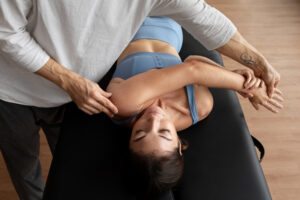
Here’s the truth. A pelvic floor physio doesn’t just hand you a sheet of exercises and send you on your way. They actually assess how your pelvic floor muscles work, strength, timing, coordination, endurance, and yes, sometimes relaxation too, because tight muscles can leak just as much as weak ones.
Sessions are private, respectful, and far less awkward than people expect. Most clients say, I wish I’d done this years ago.
A good pelvic floor physio also looks beyond the pelvis at hips, breathing patterns, and posture, because bladder control is never just one muscle acting alone.
Where Clinical Pilates fits in (and why it works)
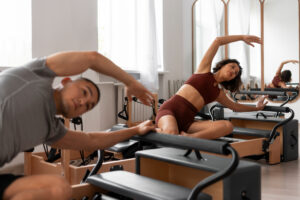
Now, you might be wondering how Clinical Pilates ties in. It’s not gym Pilates, it’s targeted, supervised movement designed to retrain how your body supports itself during everyday life.
For bladder control and prolapse, Clinical Pilates helps you:
- Coordinate breath with pelvic floor activation
- Build deep core support without straining
- Improve load tolerance when lifting, walking, or bending
- Learn control during sudden pressure (that sneeze again)
It’s subtle work, sometimes frustratingly so, but it really sticks, and it carries over into daily life in a way that random exercises often don’t.
“But I’ve tried pelvic floor exercises before”
This comes up a lot. Doing squeezes without guidance is a bit like tightening random screws and hoping a shelf stays up. Direction matters.
Many people bear down instead of lifting. Or hold their breath. Or overwork muscles that are already tired.
That’s why combining pelvic floor physio with guided movement makes such a difference. It’s not about doing more, it’s about doing it right.
Seniors, this part’s for you
Here’s a comforting fact: leaks aren’t an inevitable part of ageing. They’re common, yes, but common isn’t the same as unavoidable.
Improving bladder control later in life can:
- Reduce falls by cutting down rushed trips to the toilet
- Improve sleep
- Restore confidence for walking and social outings
- Lower reliance on pads or medications
And no, you’re never “too old” to benefit from physio-led care. Your body responds to smart loading at any age.
Getting help in Brisbane without the fuss
Brisbane has fantastic pelvic health services, but many people don’t know where to start.
Look for clinics that combine pelvic floor physio with Clinical Pilates, especially those experienced in prolapse care. A blended approach saves time and frustration.
And yes, private health rebates often apply. Medicare plans might too, depending on your GP referral.
If you’re local, clinics like All About Movement focus on exactly this kind of integrated care: practical, respectful, and grounded in how bodies really move day to day.
A quiet truth worth repeating
Leaking urine when you cough, laugh, or sneeze isn’t something to push through. Think of it as information, useful information.
Your body isn’t failing you. It’s asking for support.
With the right guidance, stress incontinence can improve, prolapse symptoms can settle, and confidence can return, often faster than expected.
And that moment when you laugh freely again without a flicker of worry? That’s not a small win. It’s a big one.