Leaking Urine, Stress Incontinence and Prolapse: Why Early Physiotherapy Matters
Leaking urine during activities such as coughing, laughing, or sneezing is a common concern, yet it is often minimised or managed quietly. While these symptoms may initially seem minor, they are important indicators of changes in pelvic floor function and bladder control.
Leaking urine may present as a sign of stress incontinence or possibly a sign of a pelvic organ prolapse, or a combination of both. These conditions reflect reduced pelvic support and should be addressed early to prevent progression. At All About Movement, many individuals report better outcomes when pelvic floor concerns are managed promptly through targeted pelvic floor physio.
Why coughing, laughing, or sneezing can cause leaking
Activities such as coughing, sneezing, laughing and lifting increase pressure within the abdomen. A healthy pelvic floor responds automatically by contracting to support the bladder and urethra and maintain continence.
When this response is delayed, weakened or poorly coordinated, urine may leak. This is known as stress incontinence, which refers to leakage caused by physical load rather than emotional stress.
Common triggers include:
- Coughing or sneezing
- Laughing
- Lifting shopping bags
- Standing up from a seated position
- Light jogging or impact-based activities
Stress incontinence is not limited to individuals who have experienced pregnancy or childbirth. Factors such as ageing, menopause, prostate surgery, chronic coughing, constipation and repetitive heavy lifting can also contribute to reduced pelvic support.
The relationship between bladder control and pelvic organ prolapse
Pelvic organ prolapse occurs when the muscles and connective tissues supporting the pelvic organs weaken, allowing organs such as the bladder, uterus or rectum to descend. This can affect bladder and bowel function and overall pelvic stability.
Symptoms may include:
- Pelvic heaviness or pressure
- Discomfort with prolonged standing or walking
- Changes in bladder control or bowel habits
- A bulge or altered pelvic sensation
Bladder control issues and prolapse frequently coexist due to shared underlying causes. Addressing one condition without considering the other may limit long-term improvement. An integrated approach with a pelvic floor physiotherapist allows both conditions to be managed concurrently and effectively. Research shows physiotherapy does not fix prolapse, but instead improves symptoms that may be impacting quality of life and participation in activities.
Prolapse physiotherapy and non-surgical prolapse treatment
Surgery is not the only management option for pelvic organ prolapse. Non-surgical prolapse treatment is often effective, particularly when commenced early.
Prolapse physiotherapy may include:
- Targeted pelvic floor strengthening and retraining
- Education on posture, lifting and daily movement strategies
- Lifestyle modifications to reduce pelvic strain
- Use of support devices, such as pessaries, when appropriate
- Supervised exercise programs, including Clinical Pilates
Many individuals report reduced pelvic heaviness, improved bladder control and enhanced confidence without surgical intervention.
The impact of delaying treatment
Many individuals adapt their routines to manage symptoms, including the regular use of pads, restricting physical activity or planning daily activities around toilet access. Over time, these compensations can lead to reduced activity levels and confidence.
Without intervention, mild stress incontinence may become more frequent, and early prolapse can progress. Early physiotherapy intervention is associated with improved outcomes and broader non-surgical treatment options.
How pelvic floor physiotherapy supports recovery
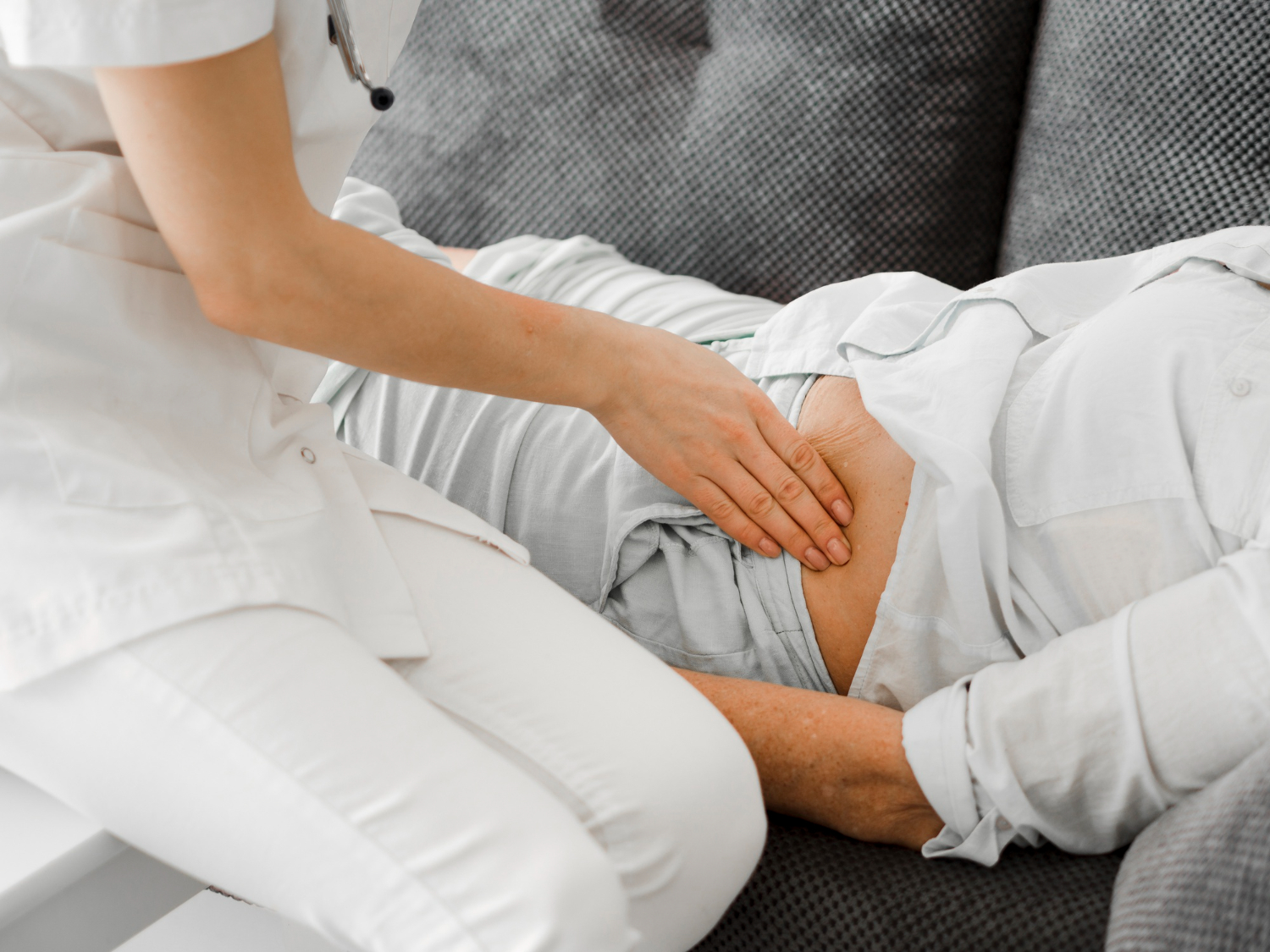
A pelvic floor physio assessment involves more than prescribing exercises. At All About Movement, physiotherapists conduct detailed evaluations of:
- Pelvic floor strength, endurance and coordination
- Muscle activation timing during functional movement
- Breathing patterns and pressure management
- Posture and hip and spinal support
Pelvic floor dysfunction may involve weakness, overactivity or coordination deficits. Treatment programs are individualised to address the specific presentation and functional goals of each person.
Consultations are conducted in a private and respectful environment and focus on restoring function and confidence in daily activities.
The role of Clinical Pilates
Clinical Pilates is an important component of physiotherapy-led management for bladder control and prolapse. Unlike general exercise classes, it is tailored and supervised by physiotherapists.
Clinical Pilates supports:
- Coordination of breathing with pelvic floor activation
- Development of deep core strength without excessive strain
- Improved control during lifting, walking and bending
- Management of sudden increases in intra-abdominal pressure
This approach assists individuals in transferring pelvic floor improvements into everyday movement and functional tasks.
Pelvic floor care for older adults
Leaking urine is common with ageing, but should not be considered inevitable. Pelvic floor physiotherapy can improve bladder control at any stage of life and may:
- Reduce falls associated with urgency
- Improve sleep quality
- Support continued participation in physical and social activities
- Decrease reliance on pads or medication
The pelvic floor responds positively to well-guided, progressive exercise regardless of age.
When to seek professional support
Assessment by a pelvic health physiotherapist is recommended if you experience:
- Leaking urine with coughing, laughing or movement
- Pelvic heaviness or pressure
- Changes in bladder or bowel control
- Symptoms affecting daily function or confidence
Early physiotherapy intervention is associated with improved outcomes and may reduce the need for more invasive treatment.
Pelvic health physiotherapy in Brisbane
Brisbane offers a wide range of pelvic health services. Clinics that integrate pelvic floor physio, prolapse physiotherapy and Clinical Pilates provide comprehensive, movement-focused care.
All About Movement delivers evidence-based, individualised treatment aimed at improving bladder control, managing prolapse symptoms and supporting confident movement in daily life. Private health rebates are often available, and Medicare options may apply with a GP referral.
Conclusion
Leaking urine, stress incontinence and pelvic organ prolapse are indicators of pelvic floor dysfunction rather than inevitable outcomes. With appropriate physiotherapy support, bladder control can improve, prolapse symptoms can be managed, and quality of life can be restored.
Pelvic physiotherapy offers a practical, effective and non-surgical approach to long-term pelvic health.