If you’ve ever tried to “push through” a migraine in Brisbane, bright sun, sticky humidity, traffic, a calendar that won’t stop pinging, then you already know the truth: migraines don’t politely wait for a quiet weekend.
They can roll in like a storm. First, the weird haze. Then the light gets too loud (yep, light can feel loud). Maybe your neck tightens, your jaw clenches, your stomach turns, and suddenly you’re doing mental maths: Do I have enough sick leave? Can I cancel that dinner? How do I explain this again?
Here’s the thing. You’re not being dramatic. You’re not “bad at stress.” Migraines are real, and they’re common. And while medication can be essential for many people, there’s also a growing interest in natural migraine treatment approaches that support your body’s systems, especially when migraines keep coming back.
One option many Brisbane locals explore is osteopathy.
Let me explain.
Migraines aren’t “just a headache”… and that’s the annoying part
A regular headache can be miserable. But a migraine is often a full-body event. It can include:
- throbbing pain (often one side, but not always)
- nausea or vomiting
- sensitivity to light, sound, smell
- visual changes (aura, flashing lights, blind spots)
- foggy thinking, fatigue, mood changes
- neck pain or stiffness that shows up before or during the migraine
And triggers? They’re not always obvious. Sometimes it’s a clear culprit: poor sleep, missed meals, a glass of red, a long day at the laptop. Other times it’s a messy combo: hormones + heat + deadlines + posture + dehydration. Welcome to being human.
In Brisbane, a few local-life factors pop up a lot in clinic chats: summer heat, air-con swings, long commutes, and that sneaky dehydration that happens when you’re busy and “fine” until you’re… not.
The natural approach (without being weird about it)
When people say “natural migraine treatment,” they usually don’t mean lighting a candle and hoping for the best. They mean:
- fewer flare-ups over time
- better recovery when migraines hit
- clearer sense of triggers
- less reliance on quick fixes (where possible)
- support for sleep, stress, and muscle tension
And yes, this can sit alongside medical care. There’s a mild contradiction here that’s worth saying out loud: some people need medication and also want natural support. Both can be true. It’s not either/or. It’s “what helps you live your life again?”
So what does osteopathy have to do with migraines?
Osteopathy is a hands-on healthcare approach that looks at how your body’s structure (muscles, joints, connective tissue) affects function (movement, circulation, nerve irritation, stress response).
An osteopath doesn’t just stare at where it hurts. They look at patterns, especially the ones you’ve normalised:
- the neck that’s always stiff after desk work
- the jaw that clicks when you chew
- the shoulders that live up near your ears
- the shallow breathing you don’t notice until someone points it out
- the “I’m fine” stress load that your body is quietly carrying
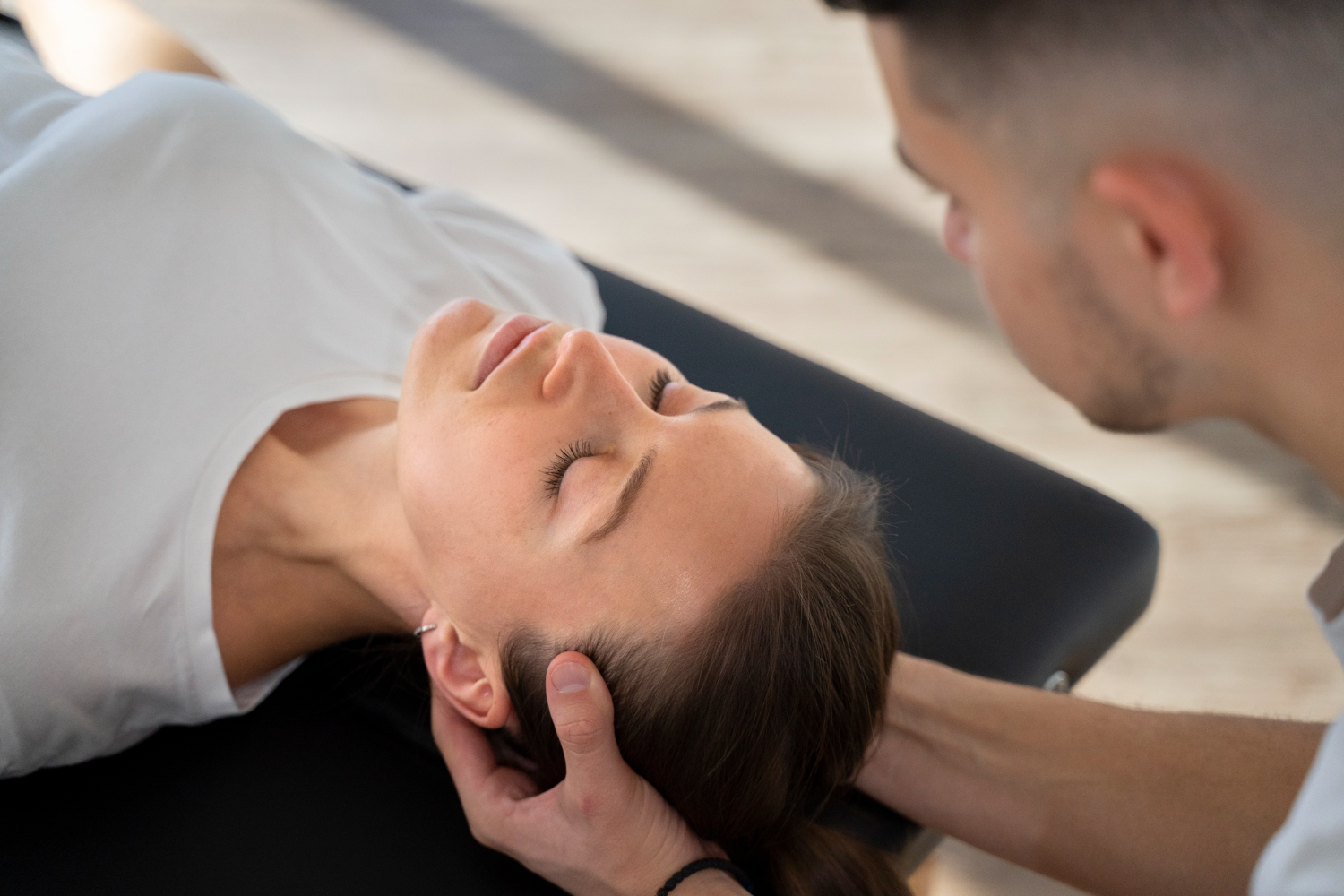
In the context of migraines, osteopathy often focuses on areas that can contribute to head pain or sensitivity: the upper neck, jaw, upper back, rib cage, and the tissues around the face and scalp. It’s practical. It’s grounded. And it’s not about “fixing” you like you’re broken.
It’s more like: Let’s reduce the strain your nervous system is dealing with, so it has fewer reasons to throw the migraine alarm.
Headache osteopathy: what it may support (and why it can make sense)
People often search “headache osteopathy” when they’re sick of the cycle: tension building, headache brewing, migraine landing, days lost, repeat.
Osteopathic care may help by addressing contributors that commonly tag-team with migraines:
1) Neck and upper back tension
Long hours on screens can leave the upper neck joints and surrounding muscles irritated. Sometimes the neck is a trigger; sometimes it’s a passenger that gets worse during a migraine. Either way, improving mobility and reducing muscle guarding can be part of a helpful plan.
2) Jaw clenching and facial tension
If you grind your teeth, chew gum like it’s a stress ball, or wake up with a sore jaw, that load can travel. The jaw, temples, and neck are close mates anatomically; when one’s irritated, the others often join the party.
3) Posture, breathing, and your “stress stance”
You know that posture where you’re leaning forward, shoulders rounded, breathing short? It’s basically the body version of a laptop running 47 tabs. Supporting rib movement and breathing mechanics can help calm that constant “wired” feeling.
4) Circulation and tissue sensitivity
This is where osteopathy can feel surprisingly gentle. Some techniques aim to reduce tissue irritation and improve ease of movement, less “stuck,” less guarded.
A quick reality check: Osteopathy isn’t a guaranteed cure for migraines. No ethical clinician will promise that. But it can be a meaningful part of a broader strategy, especially when your migraines come with neck pain, jaw tension, or stress-related flare patterns.
What it’s like seeing an osteopath (no mystery, no awkwardness)
If you’re considering an osteopath for migraines Brisbane, it helps to know what actually happens in an appointment.
Most first sessions include:
A thorough chat
- what your migraines feel like
- frequency, duration, and any aura
- known triggers (sleep, food, hormones, stress, screens, heat)
- your work setup and daily habits
- past injuries (old whiplash can matter more than you’d think)
Assessment
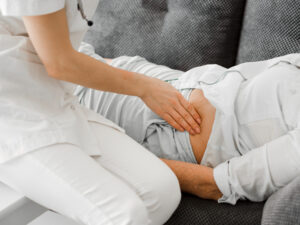
Your osteopath may check your neck, upper back, jaw, posture, breathing, and general movement patterns. Nothing should feel rushed.
Hands-on treatment
Techniques vary, but they’re usually tailored and explained. Some people like firmer work; others need gentle approaches, especially if they’re sensitive during or after migraines.
A simple home plan
This part matters more than most people expect. A good plan is realistic. Not a 45-minute routine that dies on day two.
At All About Movement, the vibe is practical: understand your body, reduce the load, build habits that fit real life. No judgment if you’re busy. No lecture if you’ve tried “everything.”
The sneaky Brisbane triggers people forget about
Okay, small tangent, because it comes up a lot.
Brisbane’s weather can be a migraine wildcard. It’s not just heat. It’s the switch between hot outdoors and icy air-con indoors. It’s storm build-up. It’s the humidity messing with sleep. And it’s that dehydration that creeps in when you’re working, parenting, or doing a million errands and realise you’ve basically had two coffees and “some sips.”
A few practical, not-too-fussy ideas:
- Hydration with a plan: keep a bottle you actually like (Frank Green, Yeti, whatever makes you drink).
- Salt and electrolytes: useful if you sweat a lot or train outdoors (especially in summer).
- Screen breaks that aren’t dramatic: 30 seconds, look far away, drop your shoulders, unclench your jaw.
- Sun glare management: sunglasses and a hat aren’t a personality flaw.
- Sleep consistency (most nights): not perfect, just steadier.
These aren’t magic. They’re small levers. And small levers add up.
“So… will osteopathy stop my migraines?”
Sometimes people ask this with a hopeful laugh, like they don’t want to jinx it.
The honest answer: Osteopathy may reduce the frequency or intensity for some people, especially when migraines are connected with musculoskeletal tension, posture strain, jaw issues, or stress load. For others, it’s one helpful piece among several (GP care, neurology input, medication, nutrition changes, stress support).
A good clinician will aim for measurable wins, like:
- fewer migraine days per month
- shorter episodes
- less neck/jaw build-up beforehand
- faster recovery
- improved confidence in managing early warning signs
That’s still a big deal.
When you should get checked ASAP
Natural support is great, but safety comes first. Seek urgent medical care if you have:
- a sudden, severe “worst headache of your life”
- headache with fever, stiff neck, confusion, fainting, or seizure
- weakness, numbness, slurred speech, or face droop
- a new headache type that’s unusual for you
- headache after a head knock
- significant change in vision that doesn’t settle
If you’re unsure, get assessed. Better to be cautious.
Looking for an osteopath for migraines Brisbane?
If migraines are eating into your work, your weekends, or your mood (they do that), you don’t have to just white-knuckle it.
Osteopathy can be a sensible, hands-on option for people who want natural migraine treatment support, especially when neck tension, jaw tightness, posture strain, or stress load are part of the picture. And if you’ve been searching for headache osteopathy, it’s often because you’re ready for a plan that’s more than “try to relax.”
At All About Movement, the goal is simple: understand what’s driving your pattern, reduce what can be reduced, and build a routine you can actually stick to.
If you want to chat about whether osteopathy suits your migraines, book an appointment and we’ll take it from there, calmly, practically, and with a bit of Brisbane reality built in.