If you’ve ever laughed a little too hard and crossed your legs, just in case, you’re not alone. Or maybe you’ve noticed a dull ache in your lower back that wasn’t there before having kids, or that strange heaviness after a long day on your feet. Here’s the thing: these symptoms can linger long after childbirth, sometimes years later.
Many women think that once the early months of postpartum recovery are over, it’s too late to do much about it. But that couldn’t be further from the truth. Whether your youngest is six months old or sixteen, your body can still benefit from care, guidance, and the right kind of movement, and that’s where women’s health physiotherapy comes in.
So, Why Do These Issues Linger?
Pregnancy and childbirth change your body in more ways than most people talk about. Sure, the magazines mention “bouncing back,” but muscles, ligaments, and tissues don’t exactly follow a set schedule.
During pregnancy, the body produces hormones like relaxin, which soften the ligaments and prepare the pelvis for birth. Wonderful for labour, not so great for long-term joint stability. Add to that the stretching and pressure your pelvic floor muscles endure (even if you didn’t have a complicated birth), and you’ve got a recipe for subtle weakness that can stick around for years.
Some women also develop diastasis recti, a gap between the abdominal muscles, or pelvic organ prolapse, which can cause that “dragging” sensation. Others simply feel disconnected from their core, unsure how to regain strength safely.
You know what’s really interesting? The body doesn’t forget. It adapts, compensates, and finds ways to keep you going. But those compensations, a tilted pelvis, overactive hip muscles, or shallow breathing, can lead to discomfort years later. That’s why late postpartum care matters so much.
The Myth of the “Postpartum Expiry Date”
There’s this quiet assumption that postpartum recovery has a time limit. Six weeks, maybe six months, and after that, you’re meant to just “get on with it.” But who came up with that idea?
Your pelvic floor doesn’t have an expiry date. Neither do your abs, your posture, or your confidence. Healing isn’t about the calendar; it’s about awareness and support.
A skilled physiotherapist trained in women’s health physiotherapy understands the long game. They don’t just treat the symptoms; they trace them back to how you move, sit, lift, and even breathe.
Honestly, one of the most empowering moments for many women is realising that those “normal mum problems”, the occasional leak, the lower back stiffness, the feeling of weakness when lifting groceries, aren’t things you just have to put up with.
What a Women’s Health Physio Can Actually Do
If you’re picturing a few stretches and a pat on the back, think again. Women’s health physiotherapy has evolved dramatically in the past decade. It’s science-backed, evidence-based, and deeply personal.
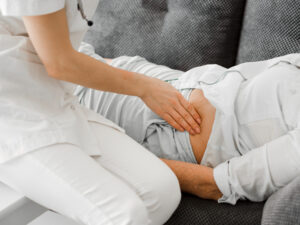
Your physio might start with a gentle assessment of your pelvic floor strength, abdominal separation, breathing patterns, and posture. Instead of relying on biofeedback tools or real-time ultrasound, another way to assess pelvic floor muscle strength and function is through an internal examination (always with your consent). Just like a physiotherapist would assess shoulder strength by physically evaluating the muscles, we assess the pelvic floor by directly feeling how those muscles contract, relax, and coordinate. Many of my clients are surprised to learn that this is part of the assessment, which shows how hit-or-miss public awareness can be about how we evaluate the pelvic floor.
Treatment can include:
- Pelvic floor rehab: Targeted exercises that go beyond “just do your Kegels.” These are tailored to your specific muscle tone, whether you’re overactive, underactive, or somewhere in between.
- Core and postural re-education: Teaching your body to move efficiently again, from sitting at your desk to carrying grandkids.
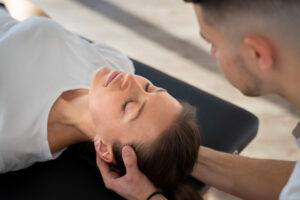
- Manual therapy: Hands-on techniques to release tension, realign the pelvis, and improve blood flow.
- Lifestyle adjustments: From toileting habits to how you breathe during exercise, the little things matter more than you think.
And here’s the key: the results aren’t just physical. Reconnecting with your body after years of discomfort can feel like reclaiming a piece of yourself you didn’t realise had gone missing.
“But It’s Been Years…”, Why Late Postpartum Care Still Works
If your youngest child is old enough to drive, you might wonder if it’s even worth seeing a physio now. The short answer? Absolutely.
Muscles are adaptable at any age. Neural pathways (the communication lines between your brain and your pelvic floor) can be retrained. Even scar tissue from a C-section or episiotomy can respond to gentle manual therapy, improving flexibility and reducing discomfort.
Late-stage postpartum recovery focuses on function, not the timeline. That might mean:
- Strengthening pelvic floor muscles that haven’t been properly activated in years.
- Correcting old movement habits that cause pain or leakage.
- Managing symptoms of menopause that overlap with old postpartum changes.
And sometimes, it’s not about fixing a “problem”, it’s about feeling strong and capable again. Plenty of women start pelvic floor rehab in their 40s, 50s, or even 60s, and see remarkable improvements in comfort, posture, and confidence.
You know what’s amazing? The body’s ability to change, even decades later. The process might take time, but it’s never wasted.
The Emotional Side, Reclaiming Confidence and Connection
There’s a quiet emotional weight that comes with ongoing postpartum symptoms. For some women, it’s frustration. For others, embarrassment. It’s that sense of being slightly disconnected from your own body, as if something’s “off,” but you can’t quite name it.
Seeing a physiotherapist who specialises in women’s health physiotherapy isn’t just about muscles; it’s about feeling seen and understood. It’s about recognising that your body isn’t broken, it just needs support.
Many women describe the process as freeing. That first session where you realise, “Oh, that’s how I’m meant to feel when I breathe deeply,” or when you can sneeze without worrying, those little moments are huge victories.
And for those who feel like their postpartum journey was rushed, or perhaps overshadowed by other responsibilities, late postpartum care can feel like a second chance, one that’s completely yours.
How to Start, Simple, Gentle, and Personal
If this all sounds like something you’ve been thinking about, the next step is surprisingly simple. Look for a clinic that specialises in women’s health physiotherapy or pelvic floor rehab, preferably one that tailors sessions to your life stage, not just the postpartum period.
You’ll likely begin with a detailed consultation, where your physio listens, really listens, to your history, symptoms, and goals. You don’t need a referral, and there’s no pressure to start an intensive program. The focus is on gradual, sustainable progress.
It might start with small things such as learning how to engage your pelvic floor without straining, adjusting your breathing, or improving your posture during everyday tasks. The progress can be subtle at first, but it builds over time.
And yes, there might be a bit of homework, gentle exercises, breathing techniques, or mindful movement routines you can do while making a cup of tea or watching TV. But it’s worth it.
The Bottom Line: It’s Never Too Late
Here’s the truth that deserves to be said louder: your body still deserves care, even years after giving birth. Postpartum recovery doesn’t end after six weeks; it’s an ongoing process that can begin at any stage of life.
Whether you’re managing leakage, back pain, or simply want to reconnect with your body, pelvic floor rehab and late postpartum care can offer lasting change. It’s about strength, comfort, and self-assurance, not perfection.
So, if you’ve been putting it off, maybe this is your sign. Reach out to a qualified women’s health physiotherapy provider and give your body the attention it’s quietly been asking for. Because truly, it’s never too late.
All About Movement is proud to support women across Australia through every stage of their recovery, with compassionate care, expert guidance, and movement programs designed for real life, at every age.